How Reviews Influence Shopify Conversions and ROAS


Most Shopify merchants have the same ROAS problem and chase it in the same wrong direction — tweaking targeting, refreshing creative, adjusting budgets. The ad spend keeps climbing, but conversions stay flat. The issue is usually not upstream. It's sitting right on the product page, in the form of an empty review section.
When a first-time visitor lands on your store, they don't know your brand. They can't touch the product or return it for free. The only thing that bridges that trust gap — the one that sits between "interested" and "add to cart" — is what other buyers already said about it. According to data from Capital one shopping, 72% of consumers won't take a buying action until they've read reviews. That's seven out of ten visitors arriving from your paid ads, landing on your page, and needing social proof before they move.
According to fera 98% of shoppers consult online reviews before making a purchase. That's not a segment of cautious buyers — that's the entire market. And the stores winning conversions aren't the ones with the best ad creative alone. They're the ones that have reviews on every product, displayed in the right place, in a format that actually gets read.
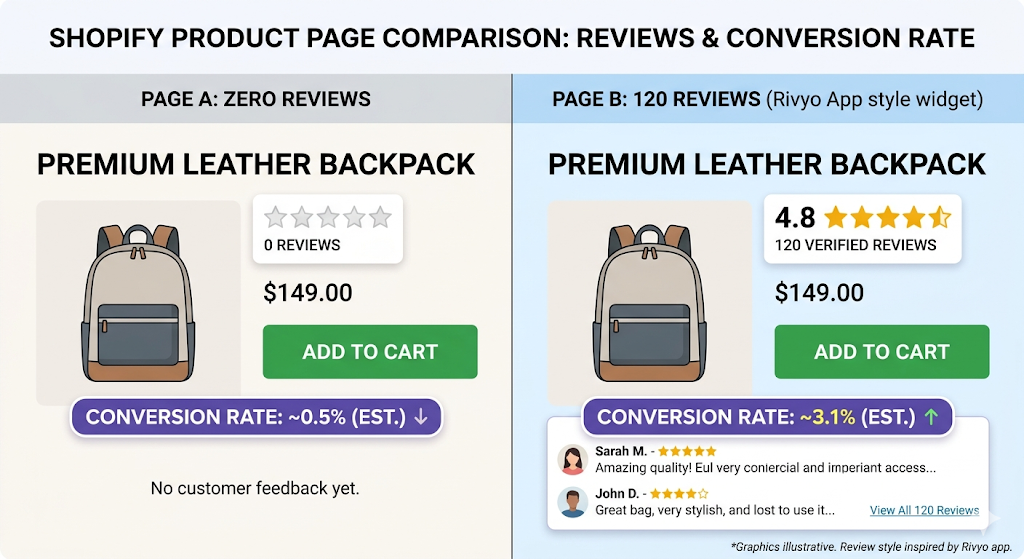
This is the starting problem a Shopify review app like Rivyo solves. It's not just a tool for collecting star ratings — it's a full review, loyalty, and referral platform built specifically for Shopify merchants who want social proof that works at every stage of the customer journey. Reviews on the product page. Loyalty points after purchase. Referral links that bring the next customer in without additional ad spend. The problem is real; the infrastructure to fix it exists.
The Conversion Numbers Behind Reviews
Shopify's published data puts the average store conversion rate at around 1.4%. Top-performing stores convert at 3.2% or higher. That gap almost always traces back to trust signals — and reviews are the most powerful trust signal available on a product page. Here's what the data actually shows:
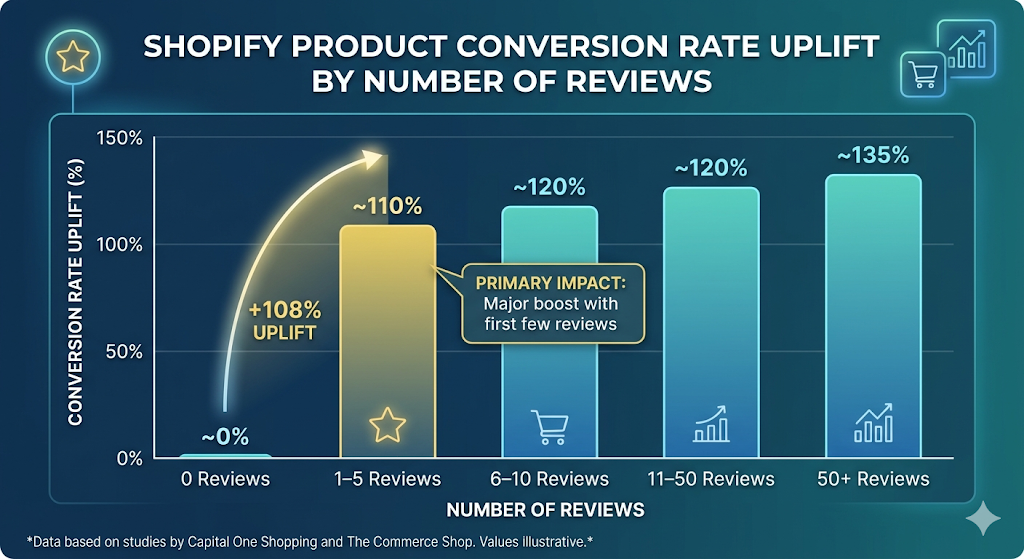
Displaying as few as five product reviews increases purchase likelihood by up to 270% compared to a product with none. Even a single review improves conversion by a measurable margin. As reported by envive, data Shoppers who actively interact with reviews — filtering by star rating, reading through photos, searching for specific keywords — convert at 128% higher rates than shoppers who don't engage with reviews.
There's also a counterintuitive finding worth knowing. As per Capital one shopping, 82% of shoppers actively look for negative reviews to decide whether feedback is authentic. A perfect 5.0 rating raises flags. Conversion rates actually peak at a 4.9 average rating, not a perfect score. Authentic looks different from curated and shoppers know the difference.
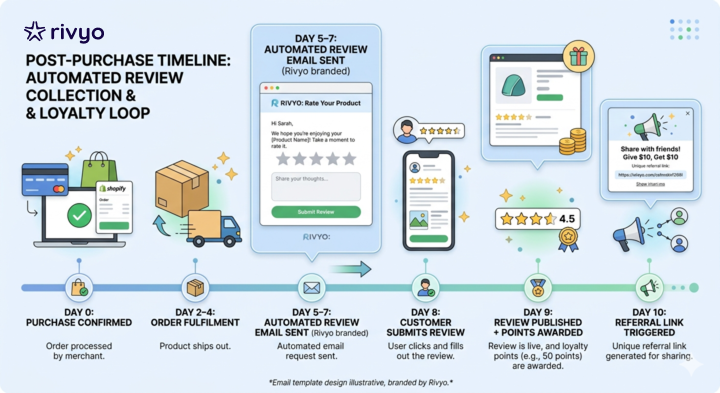
This is exactly why a Shopify review app like Rivyo Product Reviews focuses on collecting verified, photo-backed, text-rich reviews rather than just counting stars. A photo review from a real customer using the actual product does more work per review than twenty anonymous one-liners. Rivyo's automated post-purchase email flow collects exactly these — reaching buyers 5–7 days after delivery when the experience is fresh and the language they use to describe the product is specific, helpful, and search-visible.
How Reviews Directly Improve Your ROAS
ROAS is a simple ratio: revenue generated divided by ad spend. According to onrampfunds, the average ecommerce ROAS in 2025 sat around 2.87:1, with a healthy benchmark at 4:1. Most merchants try to move this number by improving ad creative or tightening targeting. Both matter — but the faster lever is often the product page they're sending traffic to.
Reviews improve ROAS in two directions at once. First, they increase revenue per click. When paid traffic lands on a page with strong social proof, more of it converts — meaning the same spend generates more sales. As per marketingltb data, Ads that incorporate or reference customer reviews convert 38% higher than ads without them, and using user-generated content from reviews in ad creative reduces cost-per-acquisition by roughly 23%.
Second, reviews reduce wasted spend. Traffic that lands on a bare product page and bounces is pure cost — no conversion, no revenue, just a lower ROAS. Setting up proper Shopify conversion tracking makes this visible fast: you can see exactly what percentage of paid traffic bounces from product pages without taking action. Empty review sections are among the top culprits.
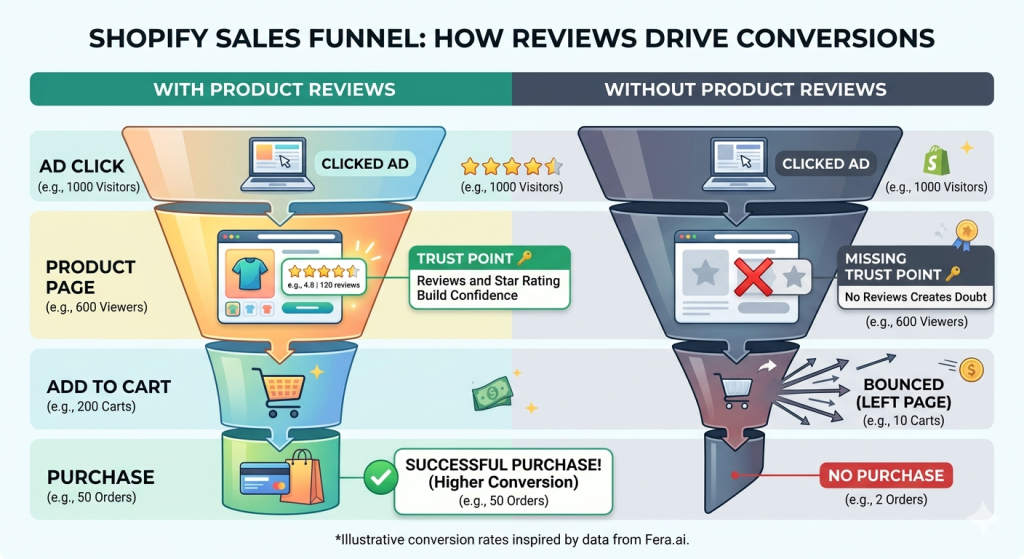
The mechanism plays out identically across channels. A Facebook ad or Google Shopping listing sends a shopper to your product page. They scan for reviews in the first 10 seconds. If the reviews are there — with photos, a clear rating breakdown, and verified badges — the confidence threshold gets crossed and they buy. If the page shows no reviews, most leave. The ad spend was identical in both scenarios. The review infrastructure was not.
This is why Rivyo positions reviews as conversion infrastructure rather than a nice-to-have feature. The platform also lets merchants pull their best review quotes directly into ad copy — turning customer language into headline text that resonates because it's real. Meanwhile, accurate conversion tracking tools like Trakpilot let you measure the exact ROAS lift as your review count grows — so the improvement isn't a guess, it's a number on a dashboard.
Review Quality, Format, and the SEO Multiplier
Volume gets you in the game. Quality wins it.
As reported by capitaloneshopping, 88% of consumers consider written reviews more trustworthy than star ratings alone. A 4.8-star rating with zero text is weaker than a 4.6 with fifty written reviews, including photos. The format of reviews — not just their number — is what actually moves shoppers through the decision threshold.
Recency matters too. 20% of consumers only read reviews from the past two weeks. A product with 200 reviews all written in 2023 looks stale to a 2026 shopper. Review collection needs to be an ongoing, automated process — not a one-time campaign you ran at launch and forgot.
There's also a significant SEO benefit that many merchants miss. When customers write reviews in their own words, they naturally use the same language that searchers type into Google — product use cases, specific features, comparisons, problem-solution phrases. That content indexes. Product reviews represent one of the highest-ROI optimization strategies in ecommerce, simultaneously improving on-page conversion and organic search visibility — without any content production cost on the store's side.
Beyond the First Sale: Loyalty and Referrals Close the Loop
Here's the part most review apps stop short of: a review left by a customer is only half the value available. The customer who left it is already your best prospect for a second purchase — and your best source of new customers through referral. Most review tools collect the review and move on. You can turn that moment into the beginning of a retention cycle.
Some built-in loyalty program lets customers earn points for every order, for leaving reviews, for following your brand on social media, and for completing other store actions. Those points convert into discount codes at checkout — creating a reason to come back that's baked into the purchase experience, not bolted on afterward. Acquiring a new customer costs five times more than retaining an existing one. The loyalty program directly reduces your effective customer acquisition cost over time.
The referral layer compounds this further. The referral program gives customers a unique shareable link they can post across any channel — social media, messaging apps, email. When a referred friend makes a purchase, both the referrer and the new customer receive rewards. This is word-of-mouth at scale, structured and tracked, generating new customers without any ad spend on your end.
The effect on ROAS is compound. Your ads pay to bring a customer in once. The loyalty system keeps them buying. The referral program brings in new customers for free. Over a 90-day window, the revenue generated per dollar of original ad spend increases — not because the ad got better, but because the post-purchase system turned one acquisition into multiple transactions and new customers.
Critically, Shopify's native analytics often underreport repeat purchase value — making this compounding effect invisible without the right tracking.
Building a Review System That Works: Practical Setup on Shopify
The most common reason Shopify stores have thin review sections isn't that customers won't leave reviews. It's that no one asked them. As per capital one shopping 40% of consumers are likely to leave a review when requested via email. The request just needs to arrive at the right time — 5 to 7 days after delivery, while the product experience is still fresh.
Timing matters more than frequency. Send the request too early (day of delivery) and the customer hasn't used the product yet. Send it too late (three weeks out) and the experience has faded. The 5–7 day window after confirmed delivery is consistently where review response rates peak.
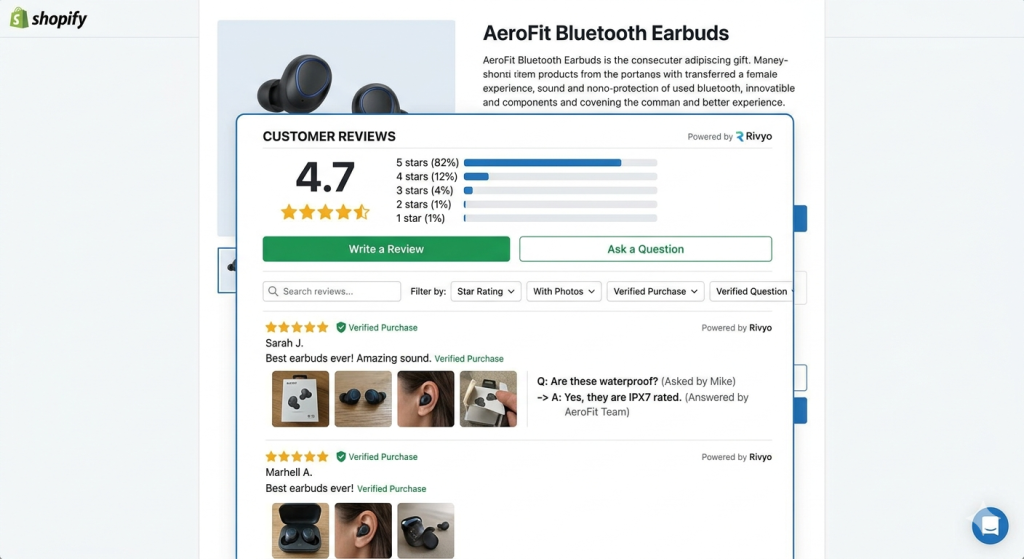
Display is the second half of the equation — and the half most merchants get wrong. Reviews buried below the fold, hidden in a tab, or shown without photos do minimal conversion work. Reviews displayed near the product price, near the add-to-cart button, with a clear star breakdown, photo thumbnails, and verified purchase badges — those converted. Review widgets with search functionality produce a conversion lift compared to static review blocks.
Rivyo is rated 4.9 stars from 890+ verified Shopify merchants on the Shopify App Store — the highest standard badge ("Built for Shopify") — and is used across 8,000+ active Shopify stores. The setup requires no code. It integrates with Klaviyo, PageFly, SEOAnt, and Slack out of the box. Theme compatibility is automatic.
For merchants already spending on ads — Facebook, Google, TikTok — the ROI calculation on installing a review system is straightforward. If your current product pages convert at 1.5% and a review system lifts that to 2.3%, your effective ROAS increases by more than 50% without changing your ad spend by a dollar. Building a high-converting Facebook ad funnel starts at the landing page — and the landing page starts with trust.
The Compounding Value of Reviews Over Time
Reviews are not a one-time setup. They compound. Every review collected today makes the product page stronger for every paid visitor next month. Every loyalty point redeemed drives a second purchase without ad spend. Every referral brings in a customer that costs you nothing to acquire. The review system — when it's running automatically and displaying correctly — keeps increasing the return on every dollar already spent on ads.
According to Yotpo Product, reviews represent one of the highest-ROI optimization strategies available to ecommerce brands. Not because they're complex to implement, but because the conversion and retention benefits run in the background indefinitely once the infrastructure is in place.
The merchants seeing 3x and 4x ROAS on Shopify aren't just running better ads. They're sending paid traffic to pages that close. Reviews are what close them.

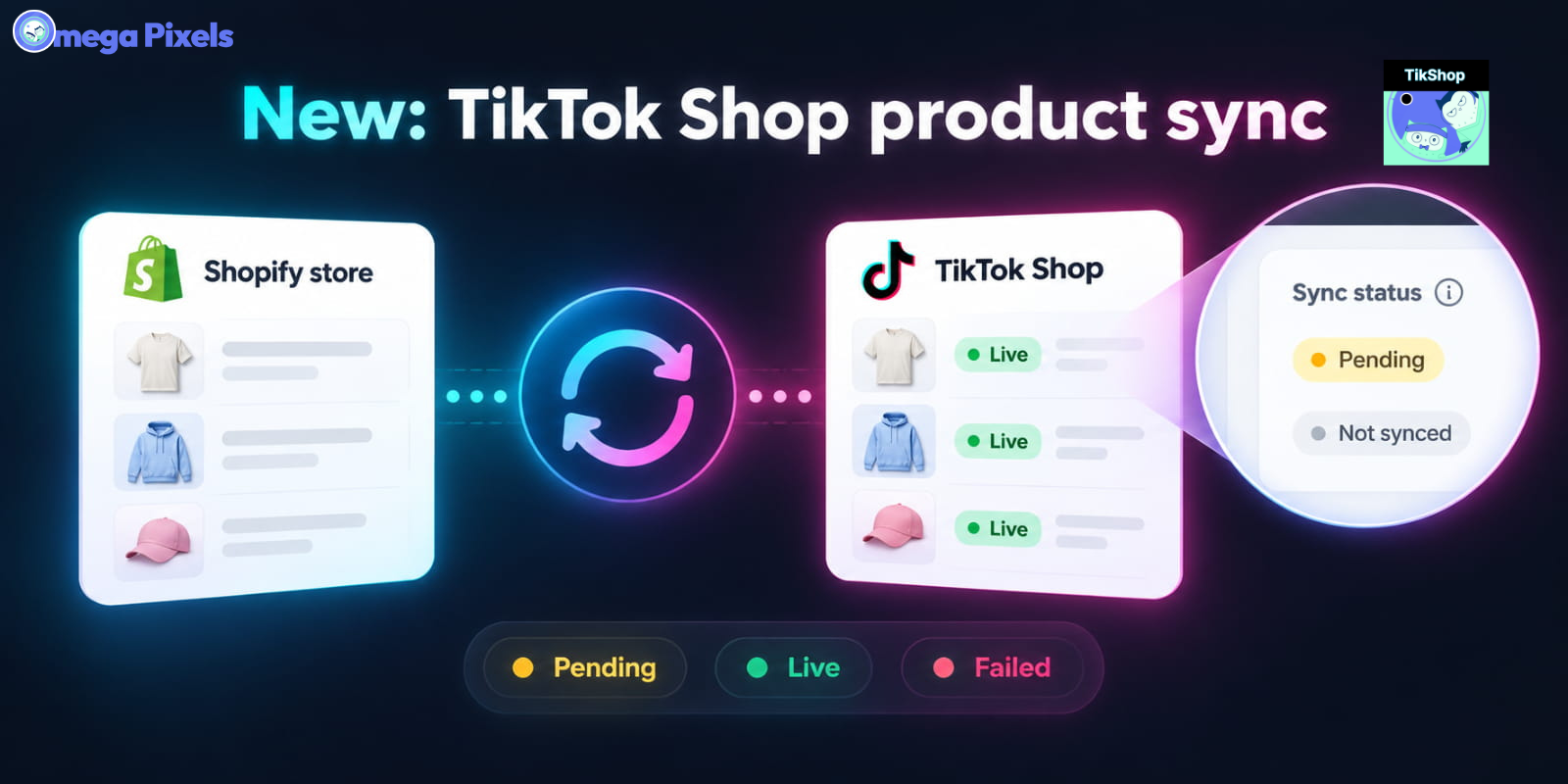
Sync Shopify Products to TikTok Shop directly with Omega TikTok Pixels

Transform Wix Storefronts with Shoppable Instagram Galleries: Omega Instagram Feed Launch

Stop Bots From Training Your Meta Ads: Introducing Bot & Fraud Protection
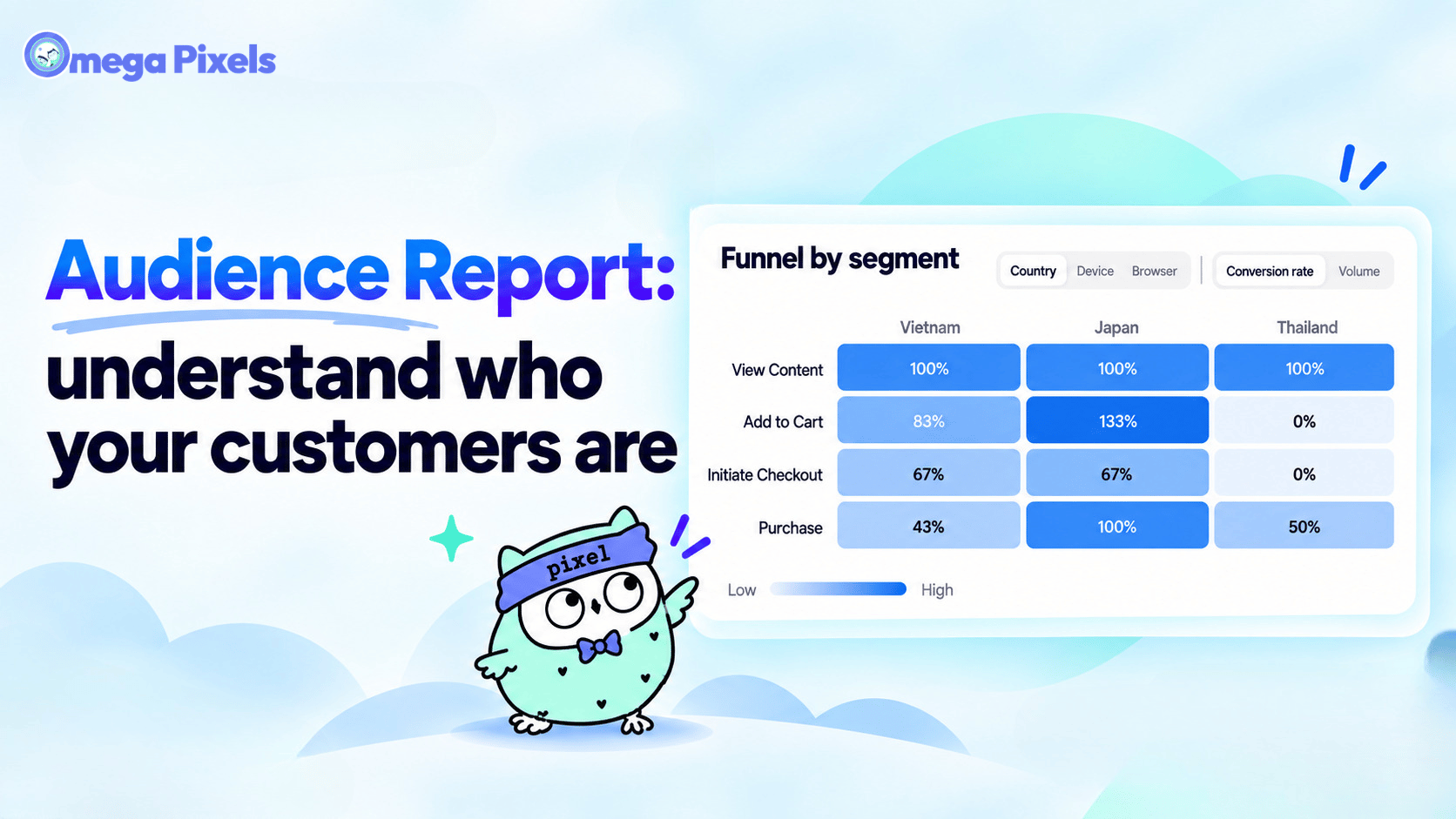
New in Omega Facebook Pixel: Audience Report
Sync Shopify Products to TikTok Shop directly with Omega TikTok Pixels
Transform Wix Storefronts with Shoppable Instagram Galleries: Omega Instagram Feed Launch
Stop Bots From Training Your Meta Ads: Introducing Bot & Fraud Protection
New in Omega Facebook Pixel: Audience Report
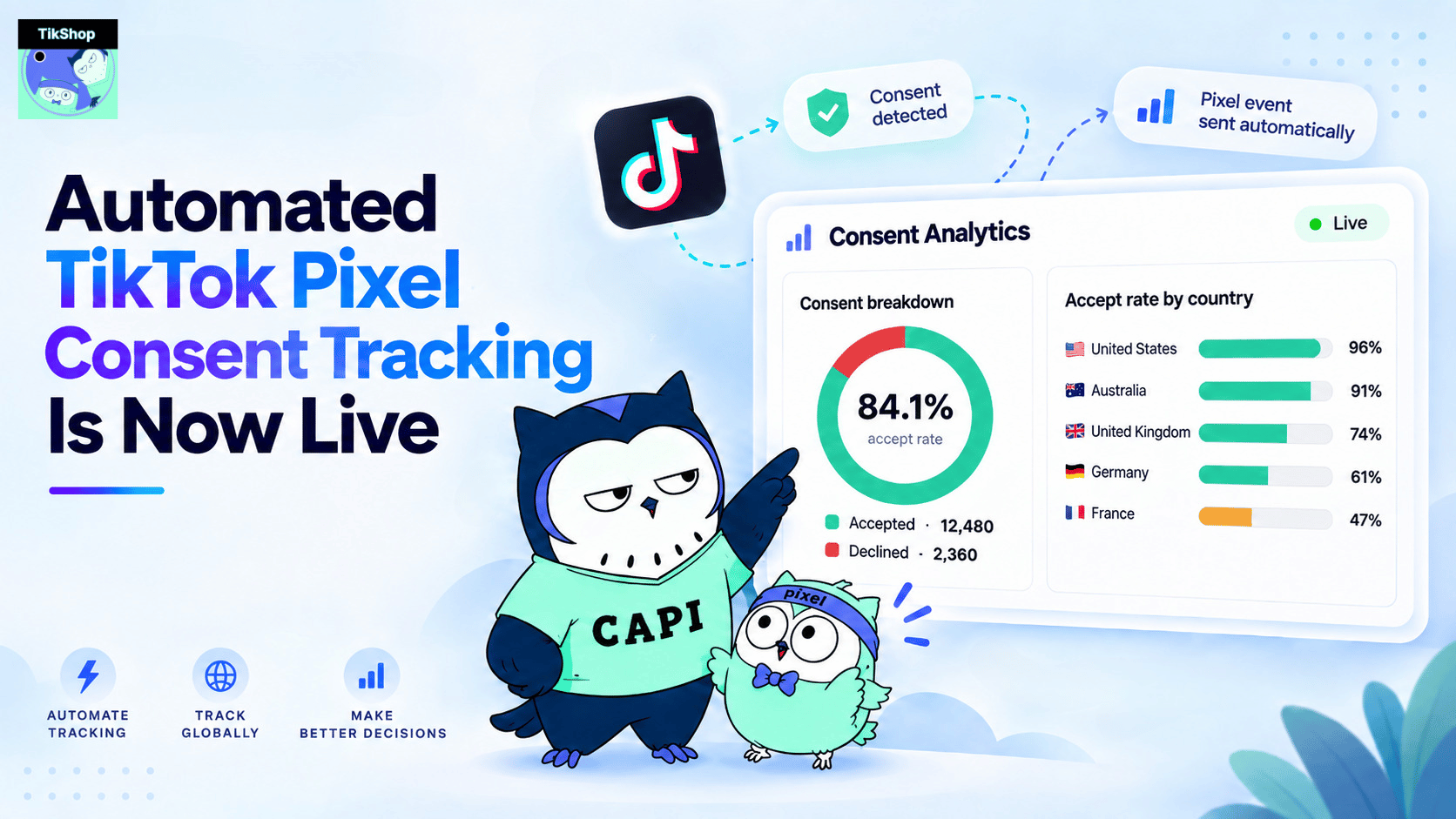
Automated TikTok Pixel Consent Tracking Is Now Live
Sync Shopify Products to TikTok Shop directly with Omega TikTok Pixels
Transform Wix Storefronts with Shoppable Instagram Galleries: Omega Instagram Feed Launch
Stop Bots From Training Your Meta Ads: Introducing Bot & Fraud Protection
New in Omega Facebook Pixel: Audience Report