Why Clean Data Is the Secret to Scaling Your Shopify Ads


If your Meta campaigns are stalling, the problem probably isn't your creative. It's the traffic feeding your pixel.
The Creative Trap
When ROAS drops, most Shopify merchants run the same playbook:
- Swap the video hook.
- Test new interest audiences.
- Blame iOS updates or rising CPMs.
A week passes. Then two. Performance does not recover. The budget keeps draining.
Here is a better question to ask: what if the problem is not your creative or your budget? What if the problem is pixel pollution?
If bots, VPNs, and crawlers hit your store, you are not running a marketing test. You are running a test with bad samples. Every event your pixel fires teaches Meta what a "good customer" looks like.
The rule of performance marketing has not changed:
Garbage in, garbage out.
Better creative will not fix bad data. A bigger budget will not fix it either.

The Hidden Cost of Noisy Traffic
Traffic volume is a vanity metric. Traffic quality drives profit. When your store has no protection, bad traffic sets off a chain reaction:
1. The Ghost Signal. Bots do more than load a page and leave. Many crawlers trigger PageView, ViewContent, and even AddToCart events. Your pixel cannot tell the difference between a shopper in Toronto and a script in a data center.
2. Algorithm Confusion. Meta sees these high-activity sessions and treats them as ideal customers. So it goes out and finds more people who behave the same way. The result: Meta optimizes delivery toward bots.
3. Retargeting Waste. Every dollar in your retargeting pool that serves ads to bots is a dollar lost to software. You pay CPM rates to show ads to scripts.
4. Lookalike Decay. This is the most expensive issue, and the hardest to catch. Your seed audiences - your customer lists, high-intent visitors, and purchasers - form the base for every Lookalike Audience you build. When those seeds fill up with non-buyers, your 1% LAL becomes a 1% LAL of junk. Prospecting costs climb each month, and you cannot tell why.
The Shield and Signal Framework
To scale with profit in 2026, one tool is not enough. You need a two-pillar setup that handles both ends of your data pipeline: filter the input, then sharpen the output.
This is where Blockify and Omega Pixels work together. One tool protects what enters your store. The other controls what gets reported back to Meta. Together, they form a closed loop.
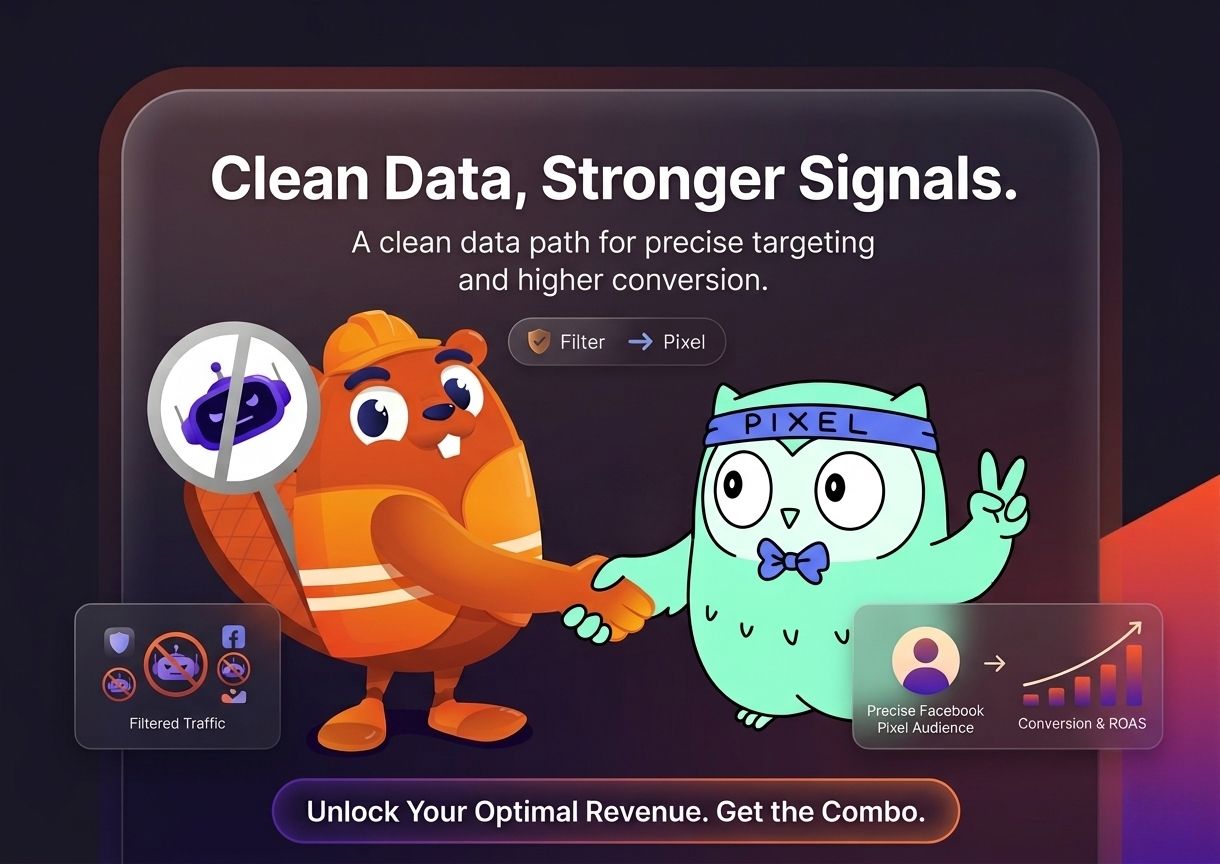
The Shield - Blockify IP Fraud Filter
Before a visitor can trigger a pixel event, they have to enter your store. Blockify works at the front door, before the damage starts.
- Bot filtering. Blockify blocks known bots, scrapers, and click-fraud sources at entry, so they cannot skew your data.
- Geo and VPN control. If you do not ship to a region, Meta does not need to learn what customers in that region look like. Blockify limits traffic to shippable audiences.
- Session integrity. When you stop noise at the front door, your Shopify Analytics and Meta Pixel stay focused on real human intent.
The Shield has one job: it keeps your inputs clean.
The Signal - Omega Facebook Pixel
Once the Shield confirms a visitor is human, Omega reports every action that visitor takes back to Meta with precision.
- Server-side tracking (CAPI). Bypasses iOS limits, ad blockers, and browser restrictions. Sends clean, deduplicated events from your server to Meta's.
- High match quality. Captures the data points Meta needs to match an event to a real person. This improves attribution and optimization.
- Signal optimization. Since Blockify filters the bots first, every event Omega sends is a clean human action. These signals improve Meta's machine learning instead of breaking it.
Each tool helps on its own. Used together, they fix the input problem and the output problem at once.
The Result: A Clean Data Loop
When the Shield and the Signal work as a pair, you stop fighting your ad account. Every campaign feeds Meta high-quality data. Meta returns the favor with better delivery on the next one.
Here is what merchants see when the loop runs:
- Lower CPA. Meta stops bidding on bot-heavy placements, since the bots never made it onto the seed list.
- Better Lookalikes. Your 1% LALs build from real buyers. Prospecting gets cheaper and more stable.
- Steady scaling. When you raise the budget, you fuel a system that works - not one with broken data.
Many merchants plateau at one revenue level for months. The cause is not a weaker hook. It is a noisy data pipeline.
Stop Guessing. Start Cleaning.
Scaling a Shopify brand is hard. It gets harder when your own data works against you. If your campaigns feel stuck, ask one question before you test another headline: is my pixel learning from real customers?
If you want better ads, you need more than a bigger budget. You need a cleaner input.
Protect your store. Clean your signals. Scale your results.
Ready to clean your data?
Grow Your Shopify Store with Omega Pixels
Powerful tools to protect your store with clean data signals - built for Shopify merchants


Stop Bots From Training Your Meta Ads: Introducing Bot & Fraud Protection
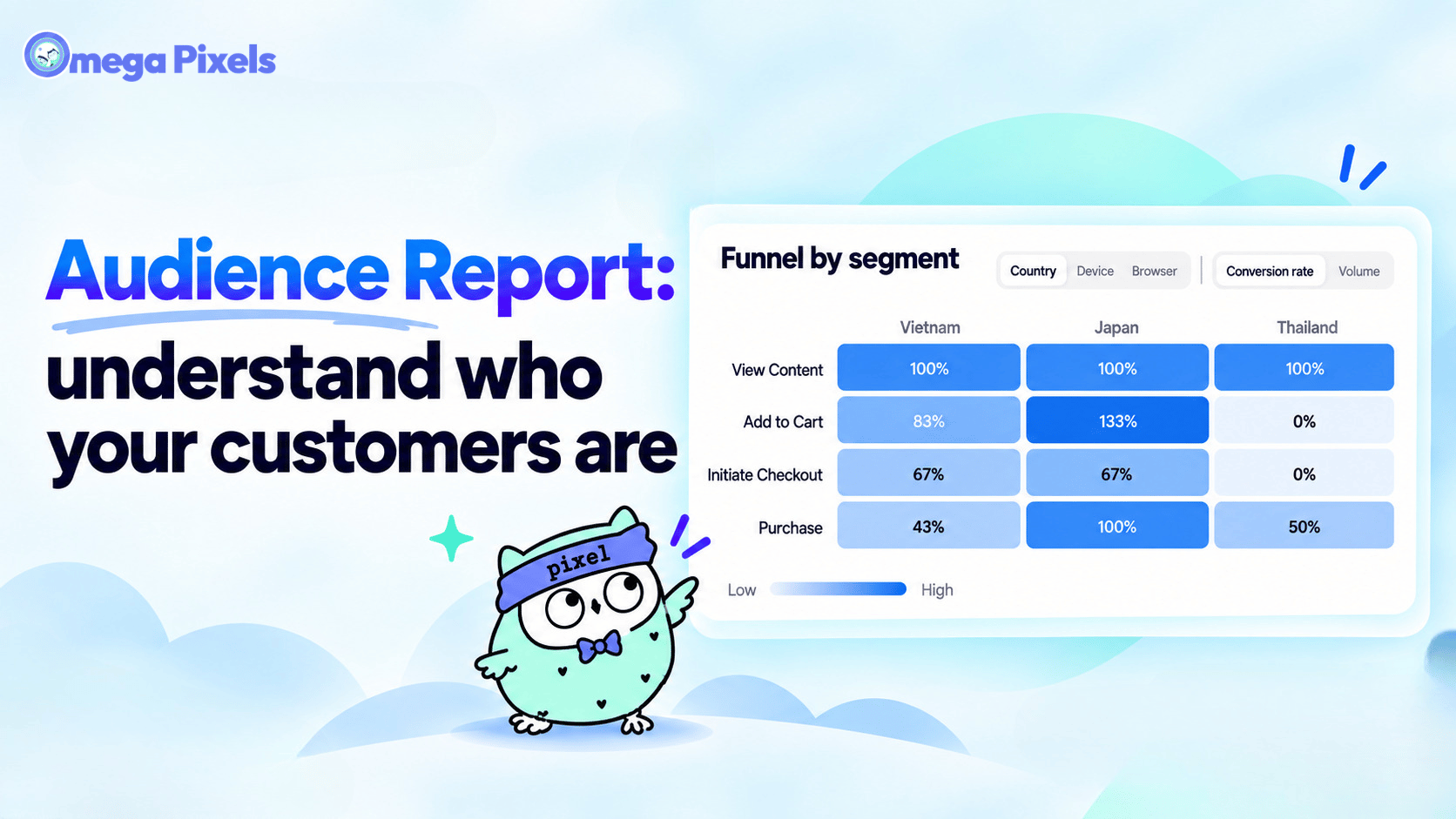
New in Omega Facebook Pixel: Audience Report
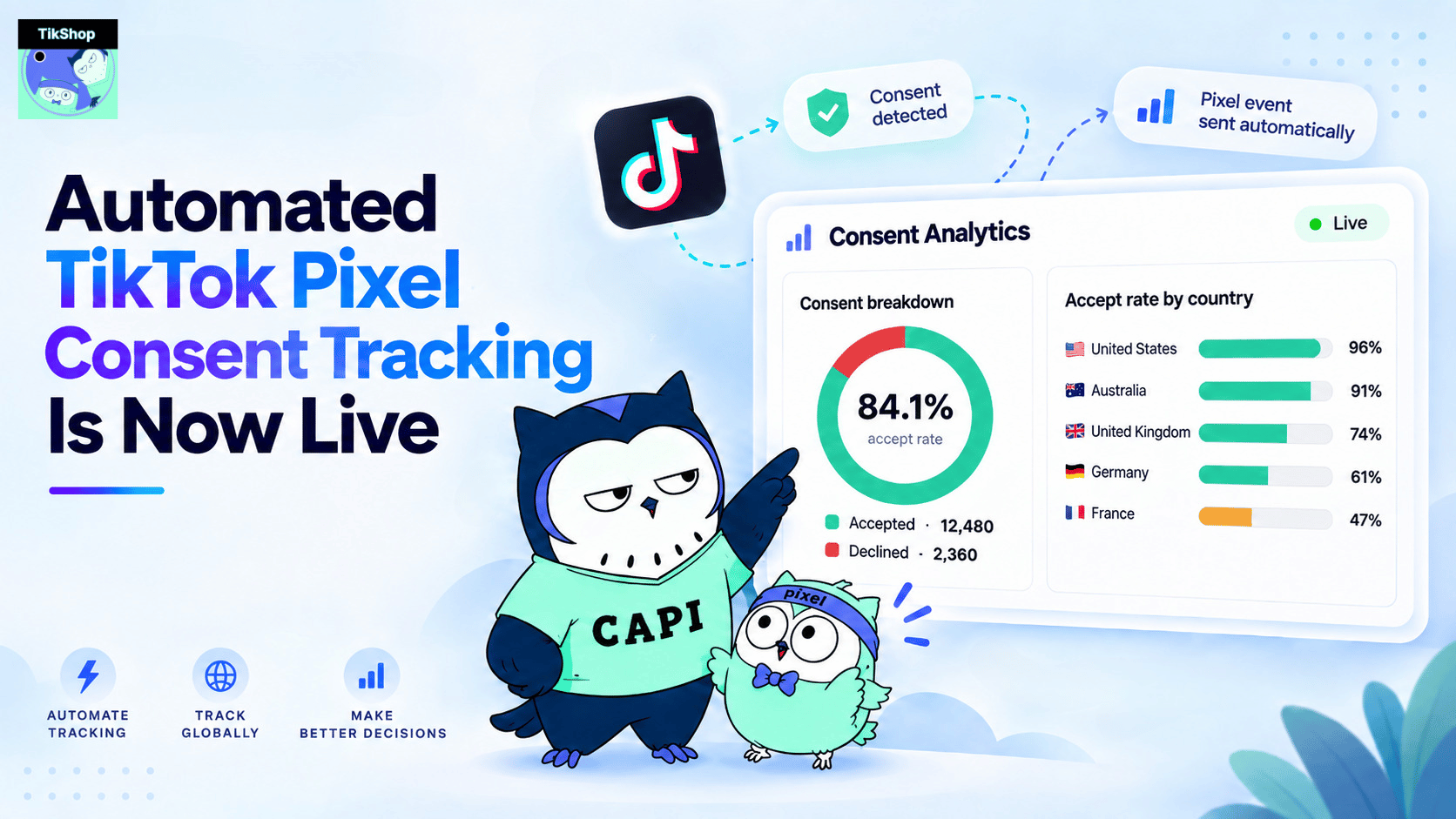
Automated TikTok Pixel Consent Tracking Is Now Live
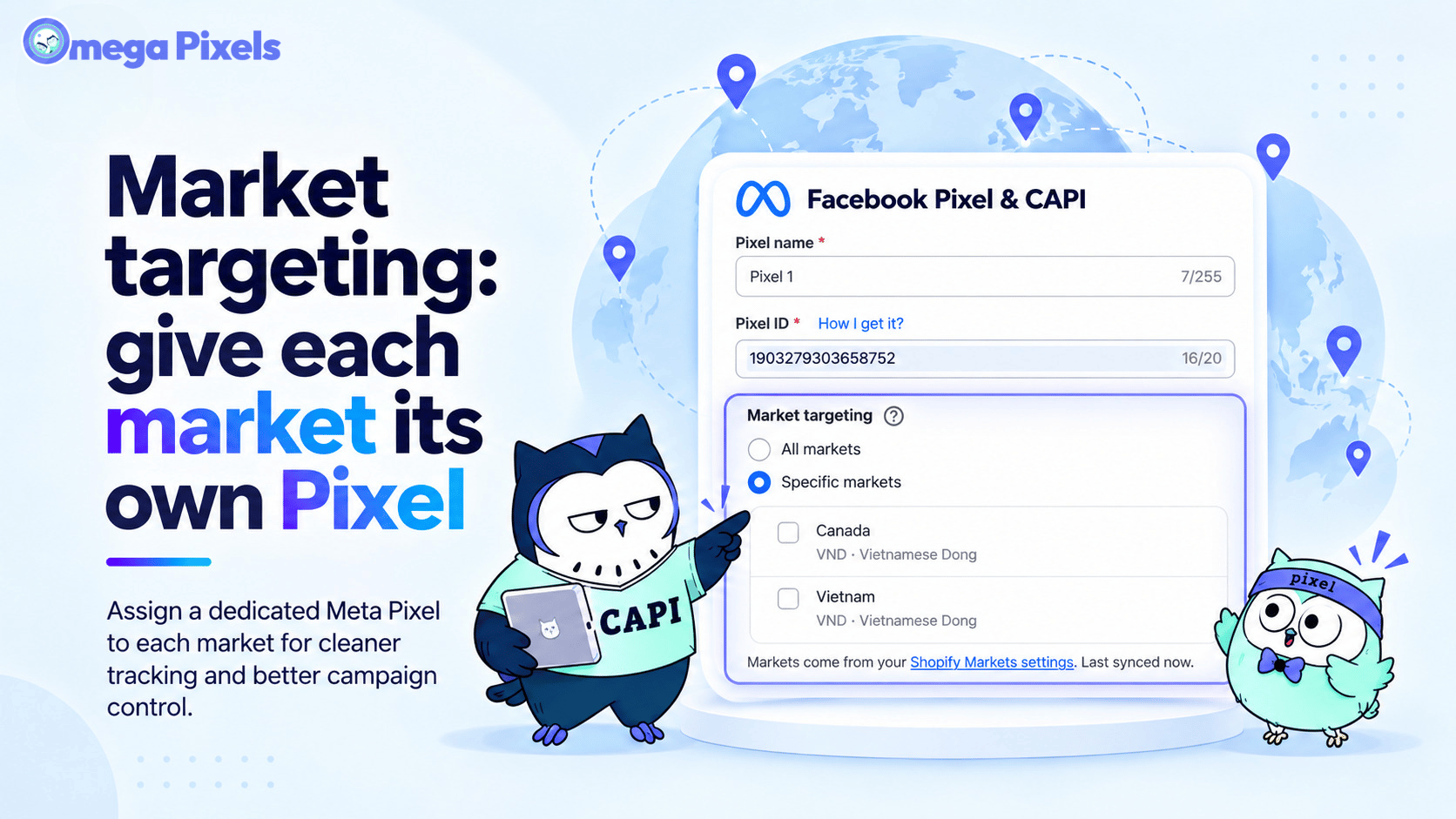
Track Each Shopify Market Separately with Specific-Market Facebook Pixels
Stop Bots From Training Your Meta Ads: Introducing Bot & Fraud Protection
New in Omega Facebook Pixel: Audience Report
Automated TikTok Pixel Consent Tracking Is Now Live
Track Each Shopify Market Separately with Specific-Market Facebook Pixels
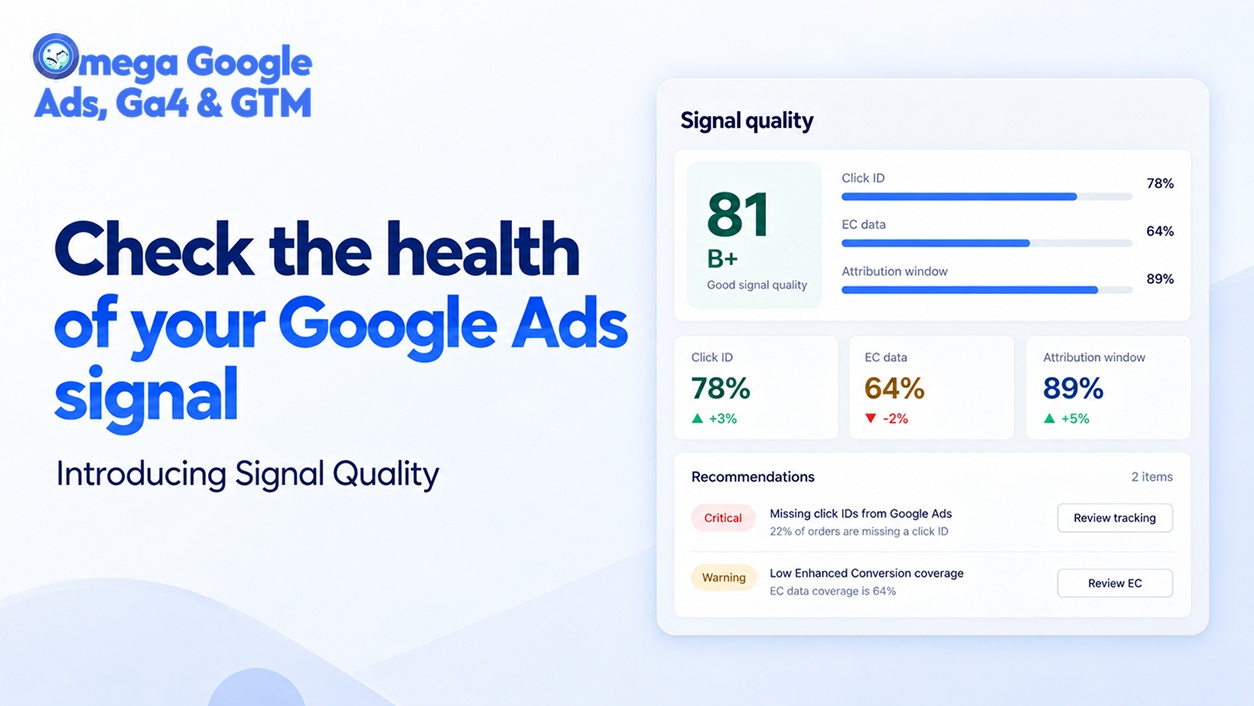
Ensure Google Ads Recognizes Every Sale: Introducing Signal Quality
Stop Bots From Training Your Meta Ads: Introducing Bot & Fraud Protection
New in Omega Facebook Pixel: Audience Report
Automated TikTok Pixel Consent Tracking Is Now Live
Track Each Shopify Market Separately with Specific-Market Facebook Pixels