Meta Attribution Window Changes: What Advertisers Need to Fix Now


After January 2026, many advertisers noticed something strange in their AM report. Conversions looked lower, and numbers no longer matched previous results. At first glance, campaign quality seems like the issue. However, the real change comes from updates to the Meta Attribution Window, which reshaped how conversions are measured behind the scenes.
| What you’ll learn from this article: ● Meta Attribution Window Changes in 2026 ● Why Meta Made This Change ● How Meta Attribution Window Changes Affect Your Ads ● What Advertisers Should Do Now |
Meta Attribution Window Changes in 2026
Conversions suddenly drop. ROAS looks worse overnight. Nothing in your campaign changed, but Ads Manager tells a completely different story. That confusion usually comes from one thing: the Meta Attribution Window changed how results are counted, not how your ads actually perform.
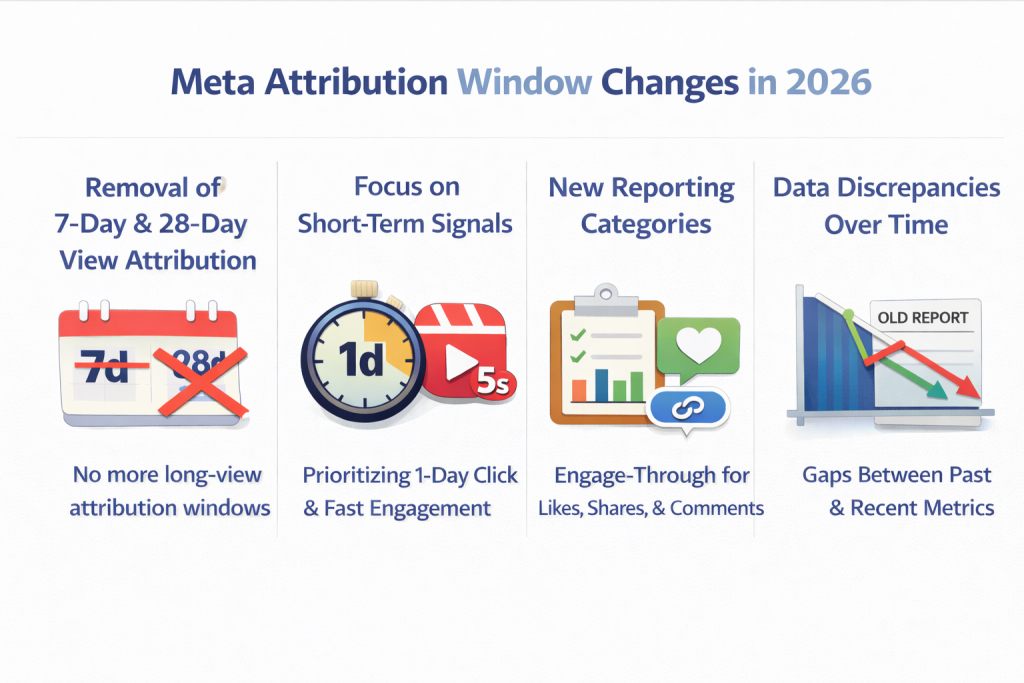
Wave 1, January 12, 2026: View Attribution Windows Are Removed
Meta permanently removed the 7-day and 28-day view attribution windows from reporting starting January 12, 2026. These windows were deprecated from the API, not merely reduced in weighting. As a result, some advertisers reported an immediate drop in reported conversions, especially in accounts that had relied heavily on view-through attribution.
The 7-day click attribution window still exists and remains part of the default setting, along with 1-day view. In contrast, the 28-day click window was already removed back in 2021.
As a result, campaigns that rely on longer consideration cycles lose a portion of their visible conversions. Products that require more time to decide now appear to perform worse in Ads Manager.
Wave 2, March 2026: Engagement Attribution Expanded
This was a separate update from the January 2026 attribution-window change and arrived about two months later. It introduced a different set of attribution and reporting changes inside Ads Manager.
Stronger focus on short-term signals
Meta’s default attribution setting still centers on 7-day click and 1-day view. In contrast, 1-day click is more often recommended for campaigns with very short consideration cycles, such as free offers or impulse purchases.
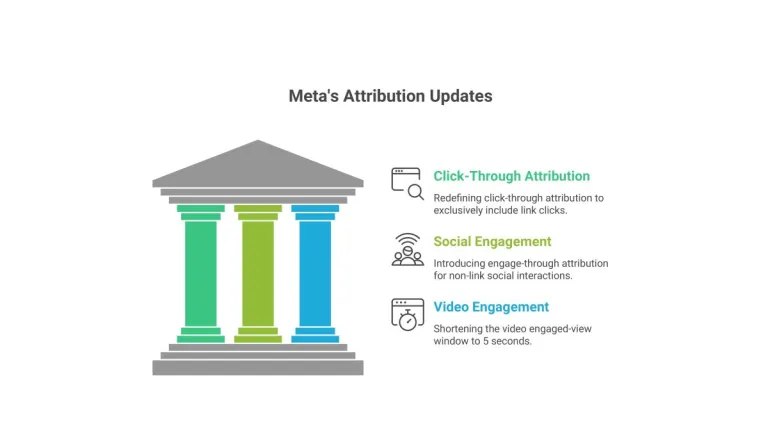
In March 2026, Meta renamed “engaged-view attribution” to “engage-through attribution” and expanded its scope to include social engagements (likes, shares, saves, comments) and video engaged-views.
At the same time, Meta reduced the engaged-view threshold from 10 seconds to 5 seconds. The company said this change better reflects faster Reels behavior, citing internal data showing that 46% of online purchase conversions with Reels happen within the first 2 seconds of attention.
Because of that shift, campaigns start optimizing for faster results. Advertisers may notice better short-term signals, but they also lose insight into slower, high-value customer journeys.
Changes in default reporting settings inside Ads Manager
Meta updates default attribution settings across Ads Manager. The platform changes how conversions are categorized and displayed, even when advertisers keep the same campaign structure.
Specifically, click-through attribution now means conversions credited after a real link click, such as a click to a website, app, or lead form. Likes, shares, saves, and comments now fall under engage-through attribution, which only uses a 1-day window, so some delayed conversions may no longer be counted, especially in remarketing campaigns.
Accordingly, many advertisers misinterpret performance changes. The numbers look different, but the underlying campaign behavior often stays the same. Meta confirms these changes do not affect billing or ad delivery.
Possible data discrepancies compared to pre-2026 reports
Meta does not backfill older reports under the new attribution model, so historical data still reflects the previous system. This creates a gap between past and current performance metrics.
When advertisers compare results across time, they often see a drop that does not reflect actual performance. The reporting method changes, so the numbers no longer align.
Why Meta Made This Change
Meta didn’t change attribution randomly. The platform responds to bigger shifts in data privacy, user behavior, and how ads get measured today.
- Privacy pressure from iOS and data restrictions: Apple’s tracking limitations and stricter privacy regulations reduce the amount of user-level data Meta can access. Consequently, longer attribution windows become less reliable and harder to maintain.
- Need for more real-time optimization signals: Meta wants campaigns to optimize faster using immediate feedback. Shorter attribution windows provide quicker signals, which helps the algorithm adjust delivery and targeting in near real time.
- Shift toward modeled and aggregated data: Meta increasingly relies on statistical modeling instead of direct tracking. The system groups and estimates user behavior rather than tracking each individual action across multiple days.

How Meta Attribution Window Changes Affect Your Ads
Meta changes the way conversions get credited, so the impact shows up directly in your reporting and optimization. Many advertisers assume performance drops, but the real issue often lies in how results are measured.
Lower Reported Conversions
Meta now gives less reporting visibility to conversions that happen outside shorter attribution windows. As a result, actions that take place several days after ad exposure may be harder to see clearly in Ads Manager.
Therefore, campaigns often look weaker than before. Reported conversions drop, even when actual sales or leads remain stable.
Harder to Track Long Customer Journeys
Meta gives less credit to conversions that take time to happen. Products with longer consideration cycles lose visibility in attribution.
This issue becomes more obvious for high-ticket items or B2B offers. Customers often need multiple touchpoints, but the system only captures the final, short-term interaction.
Optimization May Shift Toward Short-Term Results
Meta’s algorithm now prioritizes fast conversion signals. Campaigns start favoring users who take action quickly after seeing an ad.
Because of that, advertisers may unintentionally ignore long-term value customers. The system pushes short-term wins, which can limit overall growth potential.
ROAS Becomes Less Reliable at Surface Level
Meta may report lower ROAS when fewer conversions get attributed. In most cases, the decline reflects a change in measurement, not a real drop in performance.
However, campaigns that relied heavily on social engagement signals, especially remarketing, may lose part of that reported ROAS due to previously over-credited conversions. Advertisers should cross-check Ads Manager with backend revenue data and rely on blended ROAS as a more stable benchmark.
As a consequence, advertisers need deeper analysis. Comparing backend data, blended ROAS, or multi-channel performance becomes more important than relying on Ads Manager alone.
7-Day Attribution Window vs New Model
The shift from the old setup to the new model is easier to understand when the timeline is made clear. Many advertisers relied on the 7-day attribution window to capture delayed conversions, while the 28-day click window had already been removed back in 2021, well before the 2026 reporting changes.
Before: 7-day click captured more delayed conversions
Meta counted conversions that happened within 7 days after a user clicked an ad. Campaigns received credit for both immediate and delayed purchases, which gave a more complete view of performance.
Now: removed view windows change delayed view-through reporting
Meta did not remove 7-day click in January 2026. Instead, the platform removed 7-day view and 28-day view from reporting.
Meanwhile, 7-day click and 1-day view remained part of the available default setup.
As a result, the biggest reporting loss shows up when a user sees an ad, does not click, and converts several days later.
Example scenario:
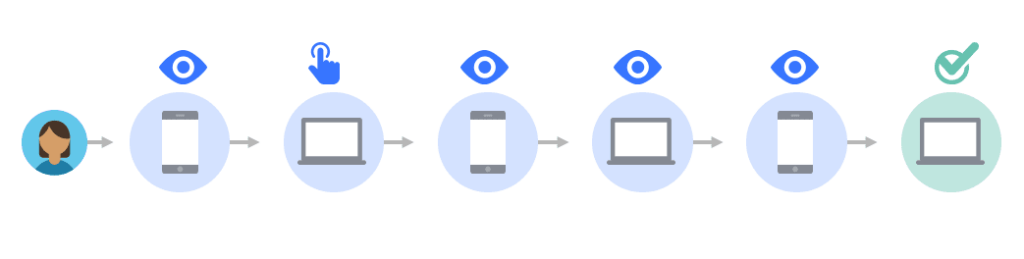
A user sees an ad, does not click, and purchases 5 days later. Under the old setup, that conversion could be counted under 7-day view. Under the new setup, it would no longer be credited through that view window.
What Advertisers Should Do Now
You can’t read performance the same way anymore. Reported numbers may drop, but revenue does not always follow. Optimizing on surface metrics alone can lead to wrong decisions.
At the same time, Aggregated Event Measurement (AEM) now has a bigger impact on reporting. With view-through windows removed, event priority determines what gets counted. Since each domain is limited to eight events, misconfigured priorities can cause key events like Purchase to be underreported.
Data processing delays also make real-time results less reliable, so reacting too quickly can be misleading.
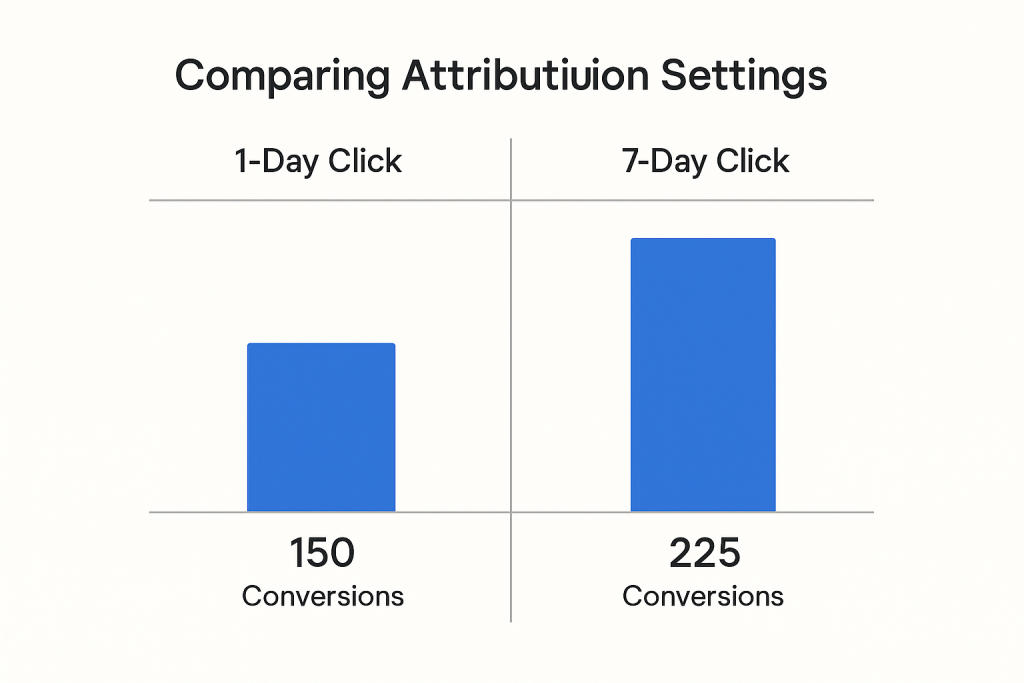
Instead of focusing on lower numbers, validate performance with backend revenue and use blended ROAS as a more stable benchmark. You can also test 7-day click vs 1-day click attribution at the ad set level to see which aligns better with actual results.
Focus on First-Party Data
You need to collect your own customer data instead of relying only on platform signals. Email lists, phone numbers, and CRM data give you a more stable source of truth.
In addition, you should build owned tracking systems that stay consistent across channels. First-party data helps you maintain visibility even when platform tracking becomes more limited.
Use Multiple Data Sources
You should not rely on Ads Manager alone to evaluate performance. Meta data now shows only part of the picture.
Instead, you can combine Meta with GA4 and backend data to get a clearer view. Cross-checking multiple sources helps you understand what actually drives conversions.
Adjust KPIs and Expectations
You need to accept lower reported numbers under the new attribution model. Fewer conversions get counted, even when performance stays stable.
At the same time, you should shift your focus toward trends instead of absolute values. Comparing performance over time gives you more reliable insights than looking at isolated metrics.
Improve Tracking Setup
You need a stronger tracking setup to reduce data loss and improve attribution accuracy. A better foundation helps you recover signals that the default system may miss.
In practice, you should implement server-side tracking through Conversions API to capture more reliable events. You also need better event matching and consistent product IDs across your store, pixel, and catalog.
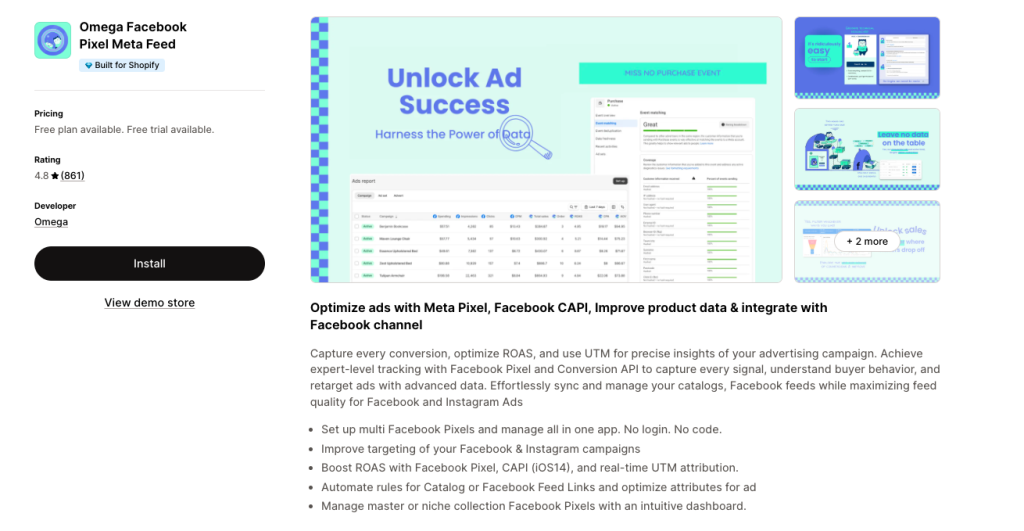
Many advertisers turn to dedicated tracking solutions to manage both browser and server-side events in one place and keep data consistent across platforms. Some tools, such as Omega Facebook Pixels, send server-side purchase events straight from Shopify orders and also support UTM-based tracking at the order level, which makes it easier to validate Ads Manager data against backend results.
Does This Mean Meta Ads Are Less Effective?
A sudden drop in reported conversions can make your campaigns look weaker than they actually are. However, performance does not disappear overnight just because the numbers change.
In reality, measurement has changed, not customer behavior. People still click, browse, and buy as usual, but the system now credits fewer touchpoints, so fewer conversions appear in reports.
At the same time, advertisers who adapt can still scale successfully. Those who look beyond surface metrics and focus on broader signals continue to grow, because the key lies in interpretation, not panic.
Putting It All Together
The 2026 Meta Attribution Window update changes how performance shows up in your reports. Numbers look different, and many advertisers misread that shift as a real drop in results.
In reality, the gap often comes from measurement. After January 2026, many advertisers reported that purchase data in Ads Manager no longer matches their Shopify backend. That mismatch makes it harder to understand where orders actually come from.
At the same time, when platform attribution becomes more limited, UTM parameters turn into a reliable fallback. Every ad should include full UTM tracking so you can validate performance outside Ads Manager.
This is where tools like Omega Facebook Pixels become more valuable. By improving event tracking with server-side events sourced directly from Shopify orders and supporting UTM-based order attribution, it helps you see the full order journey and compare reported data with actual results. That visibility makes it easier to make confident decisions, even as attribution becomes more constrained.


Stop Bots From Training Your Meta Ads: Introducing Bot & Fraud Protection
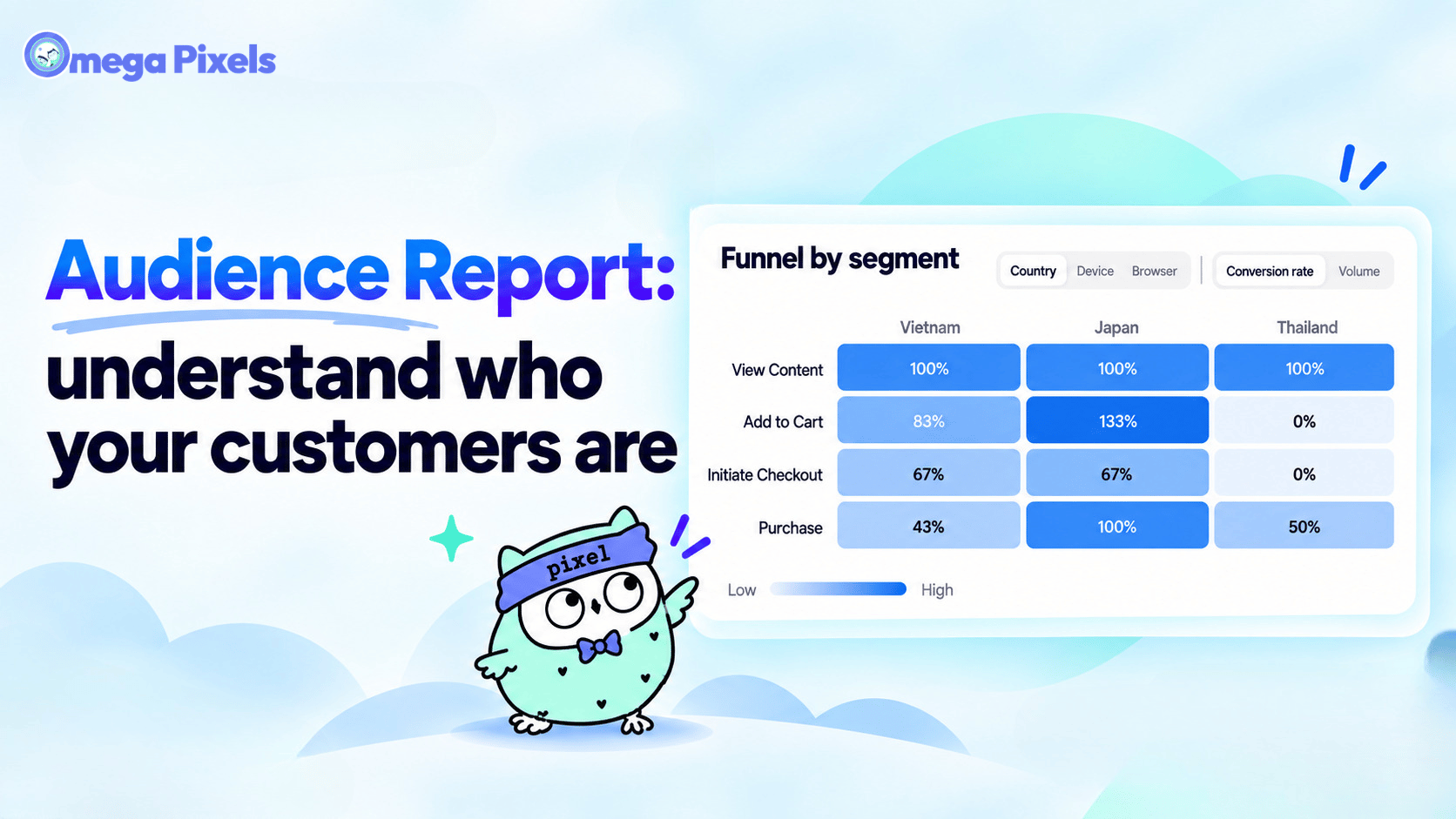
New in Omega Facebook Pixel: Audience Report
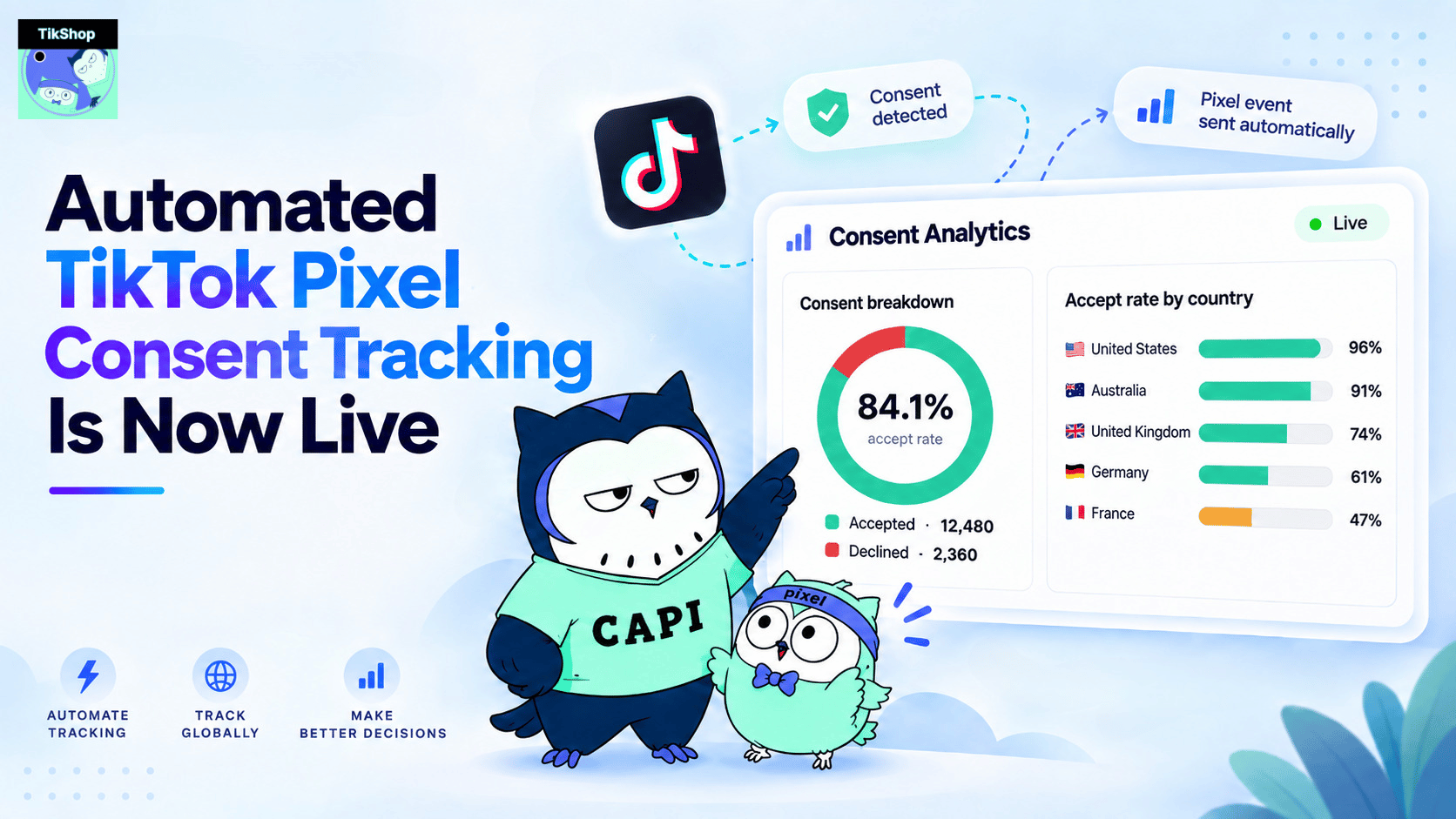
Automated TikTok Pixel Consent Tracking Is Now Live
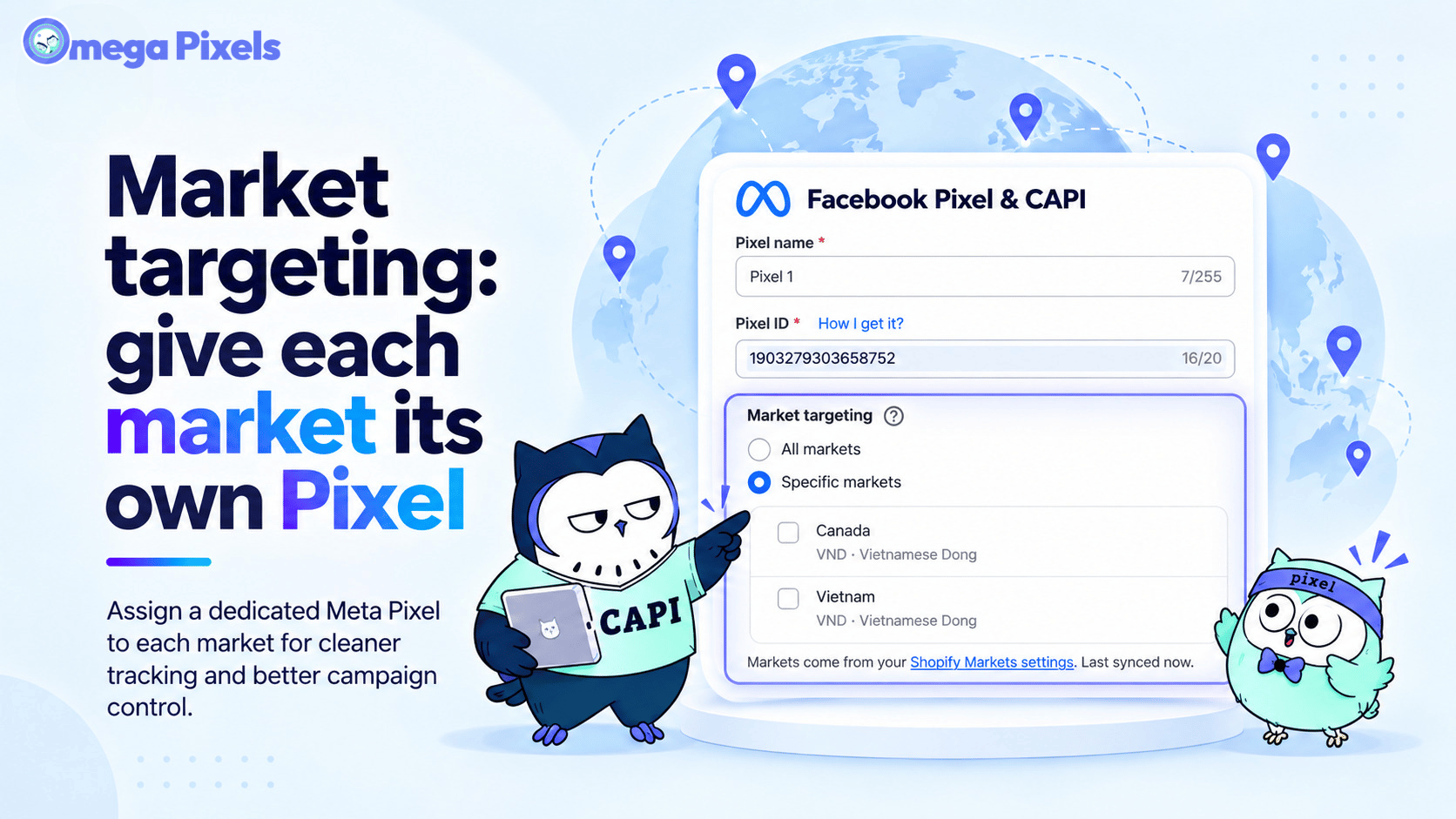
Track Each Shopify Market Separately with Specific-Market Facebook Pixels
Why Is GA4 Revenue Lower Than Shopify? Common Reasons Your Reports Don't Match
Why Clean Data Is the Secret to Scaling Your Shopify Ads
Top TikTok Apps for Shopify Could Double Your Conversions
Shopify Analytics Discrepancies: What’s Actually Happening?
Event Match Quality: Definition, Benchmarks & How to Improve It
Why Is GA4 Revenue Lower Than Shopify? Common Reasons Your Reports Don't Match
Why Clean Data Is the Secret to Scaling Your Shopify Ads
Top TikTok Apps for Shopify Could Double Your Conversions
Shopify Analytics Discrepancies: What’s Actually Happening?